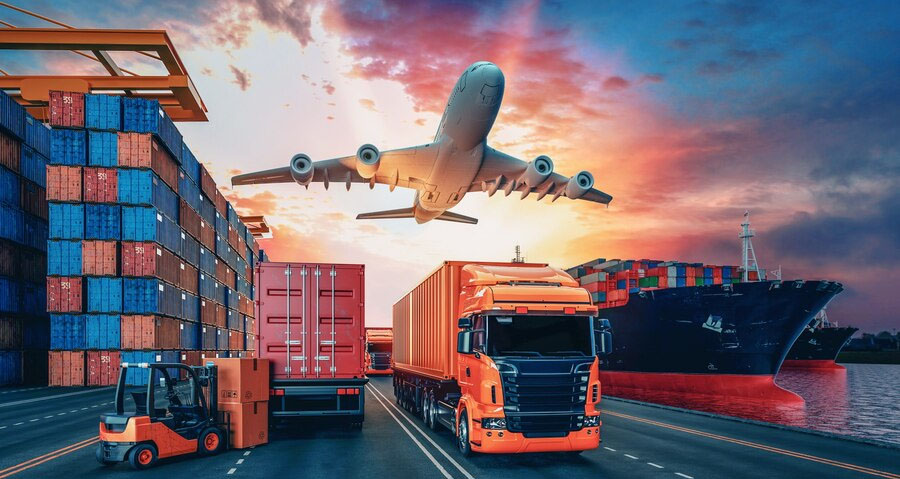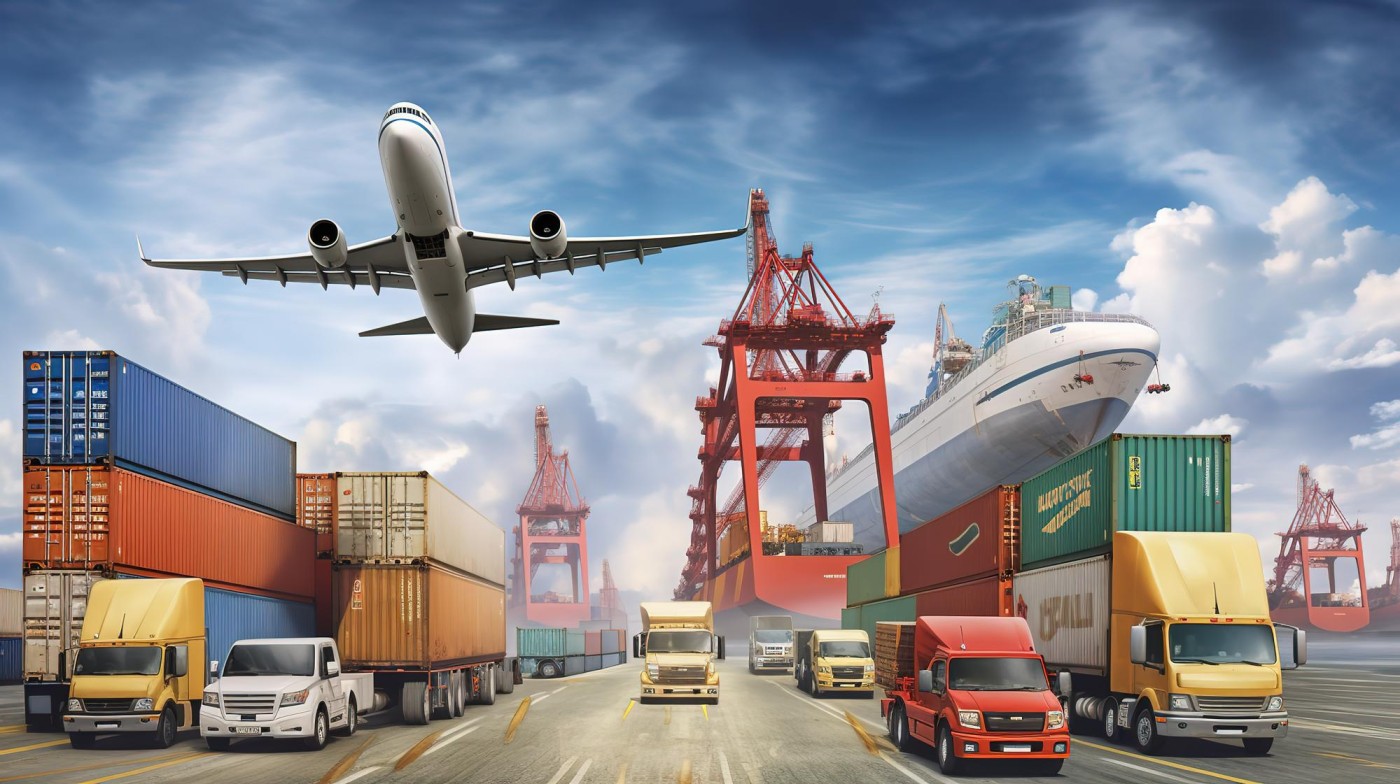
In global logistics, the decision between moving cargo by ocean freight or air freight is the most fundamental trade-off. It’s a constant balancing act between speed and cost-efficiency that defines your entire supply chain strategy.
At Clift Express, we specialize in helping clients analyze their shipments to determine the true Total Landed Cost and optimal transit time. Here is a comprehensive guide to help you choose the mode that is right for your shipment.
1. The Cost vs. Speed Showdown
The differences in cost and speed are massive and form the basis of the decision.
🌊 Ocean Freight: The Cost King
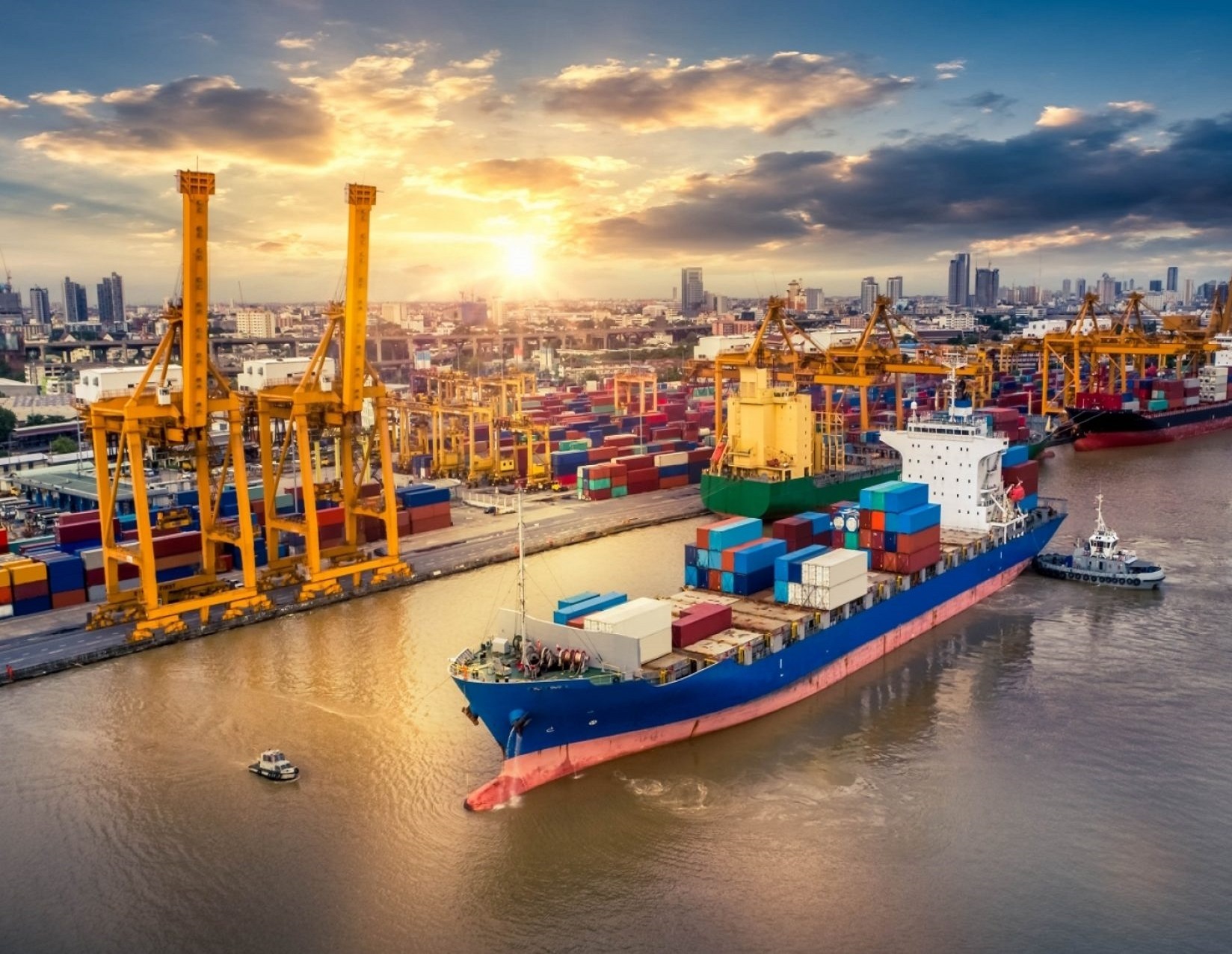
Ocean freight, carried by massive container ships, is the most cost-effective method for moving large volumes over long distances.
- Cost: Significantly lower per kilogram—often 5 to 15 times cheaper than air freight. Rates are primarily based on the space your cargo occupies (per container, FCL/LCL).
- Speed: Slow. Transit times typically range from 20 to 45 days door-to-door, depending on the origin and destination, plus time for port handling.
- Capacity: Unlimited. Ships carry thousands of containers, making this the only viable option for bulk, heavy, or oversized cargo (e.g., industrial machinery, raw materials).
- Best For: Scheduled, non-urgent inventory replenishment, high-volume goods, and non-perishables.
✈️ Air Freight: The Speed Champion
Air freight uses commercial or dedicated cargo aircraft and is the undisputed winner when time is the critical factor.
- Cost: High premium. Costs are higher due to fuel consumption, handling, and limited aircraft capacity. Rates are calculated based on chargeable weight (actual weight or dimensional weight, whichever is greater).
- Speed: Fast. Transit times are typically 1 to 5 days door-to-door, offering reliability and predictable schedules.
- Capacity: Limited. Airplanes are highly restricted by size and weight, making it prohibitive for bulk or extremely heavy items.
- Best For: Urgent orders, high-value electronics, perishable goods, and time-sensitive product launches.
2. The Cargo Consideration: Weight, Value, and Urgency
Beyond the numbers, the nature of your cargo plays the decisive role. Use this framework to evaluate your specific needs:
| Factor | Choose Air Freight When… | Choose Ocean Freight When… |
| Urgency | Critical: Delivery is needed in less than 7–10 days (e.g., stockouts, parts for a production line). | Flexible: You have weeks of lead time built into your supply chain. |
| Cargo Value | High Value: The cost of the freight premium is small compared to the value of the goods (e.g., pharmaceuticals, luxury fashion, electronics). | Lower Value: The cost of air freight would make the product unprofitable. |
| Weight/Volume | Small & Light: Generally, shipments under 100 kg often see the cost margin between air and sea narrow significantly, sometimes favoring air for the speed boost. | Large & Heavy: Shipments over 500 kg or those requiring full containers (FCL) are always more economical by sea. |
| Perishability | High: Goods require precise temperature control or have a short shelf life (e.g., fresh flowers, certain medical supplies). | Low: Non-perishable goods, raw materials, textiles, and bulk machinery. |
| Risk | Low handling risk is crucial. Air cargo typically involves less handling and higher security standards. | Cost savings outweigh the risk of longer exposure to transit variables and potential port delays. |
3. Beyond the Basics: The Hidden Factors
Smart logistics decisions factor in more than just the freight bill.
A. The Environmental Impact
As sustainability becomes a core business driver, the environmental cost matters:
- Ocean Freight: Produces significantly lower CO₂ emissions per ton-mile compared to air transport, making it the greener choice for eco-conscious supply chains.
- Air Freight: Has a much higher carbon footprint and should be reserved for scenarios where speed is truly non-negotiable.
B. Inventory & Warehousing Costs
The true cost of slow shipping is tied up in your warehouse.
- Air Freight: Allows you to run a leaner, just-in-time (JIT) inventory model. You spend more on freight but less on warehousing, holding costs, and capital tied up in inventory.
- Ocean Freight: Requires holding more buffer stock for longer periods to account for transit time and potential delays. This increases your capital outlay and warehousing expenses.
C. Customs Clearance
- Air Cargo benefits from highly automated and generally faster customs clearance processes at airports.
- Ocean Cargo can be susceptible to longer delays due to port congestion and bulkier cargo inspections.
✅ Clift Express’s Optimal Choice Recommendation
There is no one-size-fits-all answer, but Clift Express recommends a Hybrid Approach for most dynamic businesses:
- Use Ocean Freight for your standard, predictable replenishment and high-volume seasonal inventory. This maximizes your budget.
- Use Air Freight for urgent fill-ins, sampling, initial product launches, or for high-value items where the sales loss from a stockout would far exceed the air freight premium.
Our experts at Clift Express can help you analyze your SKUs and transit lanes to optimize your balance between speed, cost, and risk, ensuring you meet your customer demands and hit your profitability targets.
Ready to optimize your supply chain? Let us help you calculate the perfect blend of Air and Ocean transport.