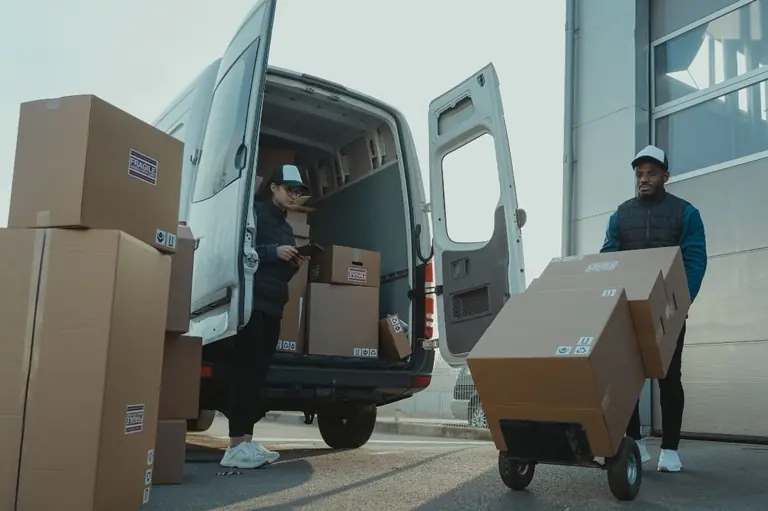
Shipping high-value cargo—whether it’s delicate electronics, luxury goods, pharmaceuticals, or irreplaceable industrial equipment—elevates the stakes of every step in the supply chain. These shipments are prime targets for theft and highly susceptible to damage.
For Clift Express, safeguarding your investment means applying layered security measures, starting the moment the goods are packed. Here is our comprehensive guide to secure packaging and transit.
1. Secure Packaging: The First Line of Defense
Proper packaging must serve two crucial purposes: protecting the goods from physical impact and deterring theft.
A. Damage Prevention (Physical Security)
High-value items, especially fragile electronics, require specialized materials to mitigate shock and vibration.
- Custom Crating: For oversized, heavy, or extremely fragile items (like fine art or precision machinery), invest in custom wooden crates built to the cargo’s exact dimensions. This eliminates internal movement.
- Layered Cushioning: Use a combination of materials. Start with anti-static bags (mandatory for electronics) and primary wraps (bubble wrap/PE foam). Fill the remaining void with materials like engineered foam inserts or shock-absorbing pellets to prevent shifting.
- Double Boxing: Place the primary box inside a larger, sturdier outer box (ideally double-walled corrugated cardboard), creating a protective gap of at least two inches filled with cushioning material on all sides.
B. Theft Deterrence (Tamper Resistance)
- Security Seals: Use numbered, tamper-evident seals or tape to close crates and cartons. If the seal number upon delivery does not match the manifest, it provides immediate proof of potential compromise.
- Plain Packaging: Avoid branding, logos, or labels on the outer carton that hint at the expensive contents (“Luxury Watch Co.” or “Premium Electronics”). Blind shipping (using generic packaging and documentation) reduces the cargo’s appeal to opportunistic thieves.
- Secure Palletizing: When palletizing, stack cartons from heavy to light, and use strong stretch wrap or banding to secure the entire load firmly to the pallet. The final layer of stretch wrap can also be opaque to conceal the contents.
2. Security in Transit: Operational Best Practices
The physical journey of high-value cargo requires strict adherence to security protocols to minimize exposure to risk.
A. Technology and Visibility
- Real-Time GPS Tracking: For loads over a certain value, Clift Express recommends placing discreet, battery-operated GPS trackers inside the cargo (or on the container/trailer). This allows for 24/7 location monitoring and provides crucial evidence in case of theft.
- Geo-Fencing: Set up virtual boundaries around planned routes and secure facilities. Alerts are automatically triggered if the cargo deviates from the approved path or stops unexpectedly for an extended period.
- Secure Communications: Limit the distribution of route plans, delivery schedules, and cargo details only to essential personnel via secure, encrypted channels.
B. Strategic Route Planning
- Minimize Dwell Time: The highest risk of theft occurs during extended stops, especially on weekends and holidays. We prioritize expedited shipping services to minimize handling and transit duration.
- Secure Parking: Trucking partners are instructed to use only pre-vetted, secure parking facilities with surveillance, high lighting, and controlled access for overnight stops. Avoid parking in unsecured, public areas.
- Team Driving: For extremely high-value road freight, team drivers can be arranged. This ensures the truck is rarely, if ever, left unattended, maintaining constant vigilance over the cargo.
3. Financial and Regulatory Protection
No matter how secure the packaging, external factors and regulatory hiccups can still halt or destroy a shipment.
A. Full Cargo Insurance
As detailed in our other guides, the carrier’s liability is minimal. You must declare the full commercial value and purchase All-Risk Cargo Insurance to protect your financial interests. This is the only way to recover the true value of goods lost or damaged due to unforeseen events.
B. Documentation and Compliance
- Accurate HS Codes: Ensure the Harmonized System (HS) code on the commercial invoice is 100% accurate. A small error can flag the cargo for inspection, resulting in costly delays and increased exposure at port.
- Certification Ready: For regulated goods (e.g., medical devices, specialized electronics), have all necessary import permits, safety certifications (like FDA or CE), and licenses prepared before the shipment leaves the origin country. Delays in customs are a major security risk.
✅ Partner with Clift Express for Peace of Mind
At Clift Express, we understand that protecting high-value cargo requires a partnership—combining your product knowledge with our global security expertise. We utilize a vetted network of high-security carriers and technology to ensure your goods are protected from pickup to final delivery.
Don’t leave your most valuable assets to chance. Contact us to design a secure, fully-insured logistics plan for your critical cargo.